 Each May, Mental Health Awareness Month reminds us to pause and recognize that emotional and mental well-being are essential parts of overall health. While conversations about mental health have become more common in recent years, one group is still too often overlooked — older adults.
At Smoky Mountain Home Health & Hospice, we believe compassionate care means caring for the whole person: mind, body, and spirit. Mental health is not separate from physical health, and emotional well-being remains important at every age.
As people grow older, they often experience life changes that can significantly affect emotional wellness. Retirement, changing routines, reduced mobility, chronic illness, caregiving responsibilities, grief, and social isolation can all influence mental health. These experiences may feel overwhelming, especially when several occur at once.
Unfortunately, many seniors quietly carry emotional burdens without speaking about them.
One common misconception is that feelings of sadness, loneliness, anxiety, or withdrawal are simply “part of getting older.” In reality, mental and emotional struggles should never be dismissed as a normal part of aging.
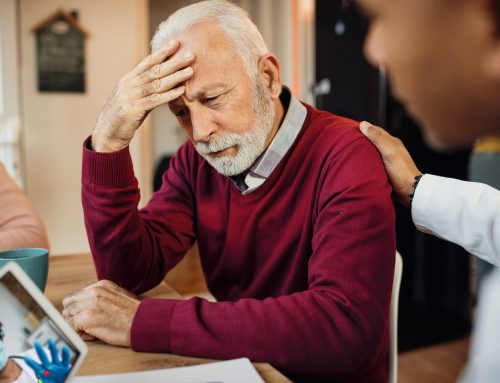
Older adults may experience emotional concerns differently than younger generations. Instead of openly expressing feelings of depression or anxiety, they may describe physical symptoms, decreased energy, changes in appetite, difficulty sleeping, irritability, or a loss of interest in activities they once enjoyed.
Some signs families may notice include:
- Pulling away from friends or social activities
- Increased worry or nervousness
- Changes in sleeping habits
- Reduced appetite
- Increased frustration or sadness
- Difficulty concentrating
- Expressions of hopelessness or feeling like a burden
These changes can happen gradually and may be easy to overlook.
Mental health can also be affected by physical conditions. Chronic illness, pain, memory concerns, medications, hospitalizations, and reduced independence can contribute to emotional stress. For seniors facing serious illness, emotional support often becomes just as important as medical support.
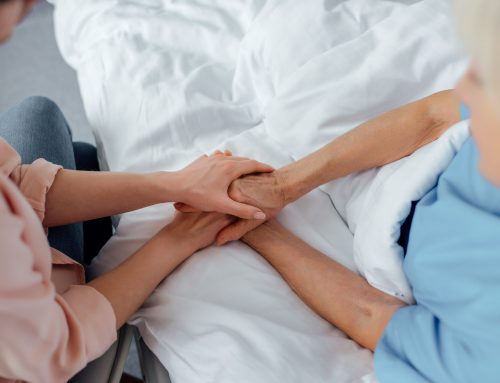
One of the most meaningful ways to support senior mental health is through connection.
Simple moments often matter most:
- Spend intentional time together
- Call regularly
- Encourage participation in social events
- Share meals and conversations
- Help maintain favorite hobbies and routines
- Encourage movement and fresh air when appropriate
- Listen without trying to immediately solve every concern
Human connection can help seniors feel valued, understood, and less alone.
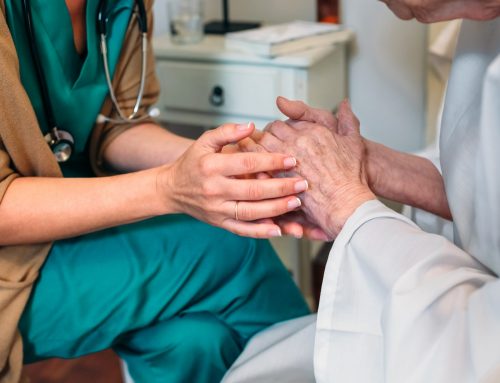
Caregivers and family members should also remember that supporting mental health does not always mean having the perfect words. Sometimes simply being present is enough.
At Smoky Mountain Home Health & Hospice, we understand that care extends beyond clinical needs. We recognize the importance of emotional support, meaningful relationships, and preserving dignity throughout every stage of life. Our teams see firsthand how compassion, encouragement, and genuine connection can positively impact quality of life.
This Mental Health Awareness Month, we encourage our communities to check in on the older adults around them.
Ask how they are doing. Sit a little longer. Listen a little closer.
Small acts of kindness can make a lasting difference.
Because every person — at every age — deserves to feel seen, supported, and cared for.
💚 From all of us at Smoky Mountain Home Health & Hospice, thank you for helping create healthier, more connected communities.